
DuraWood vs Cedar Fence: Which Is Best for Vancouver Island?
Choosing between DuraWood composite and natural cedar is one of the most common decisions homeowners face on Vancouver Island. Both are popular, both look great — but they perform very differently in our coastal climate. Here's an honest breakdown from a contractor who installs both every week.
What Is DuraWood?
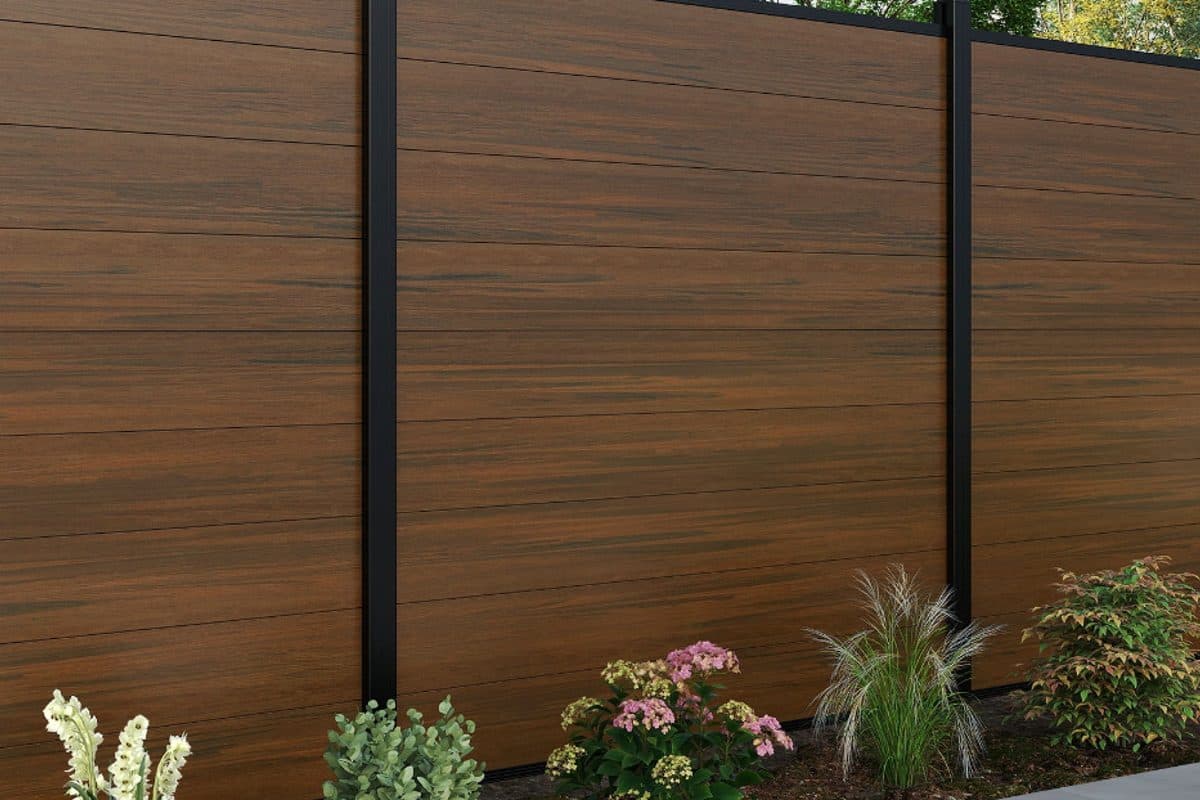
DuraWood is a co-extruded composite fence system manufactured and patented in Canada. Unlike first-generation composites that absorbed moisture and faded quickly, DuraWood boards feature a 360-degree co-extrusion coating — a waterproof shell that wraps every surface, including the edges. Each board has a unique, non-repeating wood-grain texture that looks natural without the maintenance of real wood.
Perhaps most importantly, DuraWood comes with a 25-year limited manufacturer replacement warranty. That's not a prorated, depreciating warranty — it's a genuine replacement warranty backed by the manufacturer. In the fencing industry, this is virtually unheard of. Most materials offer 5–10 year warranties at best, and cedar offers no manufacturer warranty at all. We're proud to offer a product that stands behind itself for a quarter century.
What Is Cedar Fencing?
Western Red Cedar has been the go-to fencing material in British Columbia for decades. It's naturally rot-resistant, lightweight, and has that classic warm tone homeowners love. Cedar panels are widely available and most fence companies are experienced with installation.
Head-to-Head Comparison
| Factor | DuraWood Composite | Western Red Cedar |
|---|---|---|
| Lifespan | 25–30+ years | 15–20 years (with maintenance) |
| Manufacturer Warranty | 25-year limited replacement warranty | None (material only) |
| Maintenance | Rinse with a hose — no staining, sealing, or painting | Stain/seal every 2–3 years or it greys and degrades |
| Moisture Resistance | Excellent — 360° co-extrusion blocks water completely | Good initially, degrades over time without sealing |
| UV Resistance | Built into the coating — minimal fading over decades | Greys within 6–12 months without UV stain |
| Wind Resistance | Engineered boards are dense and rigid | Lighter panels can loosen in high winds over time |
| Upfront Cost | $85 – $113 per linear foot (installed) | $60 – $90 per linear foot (installed) |
| 10-Year Total Cost | ~$85 – $113/ft (no ongoing cost) | ~$90 – $140/ft (including 3–4 rounds of staining) |
| Appearance | 4 colours (Cedar, Charcoal, Ash, Grey) — consistent over time | Natural warm tone — weathers to silver-grey if unsealed |
| Environmental | Made from recycled materials | Harvested timber — sustainability varies by source |
Vancouver Island Climate Considerations
Our coastal climate is the biggest factor in this decision. Vancouver Island gets heavy rainfall (some areas exceed 3,000mm annually), salt air exposure near the coast, and mild but damp winters that keep wood wet for months at a time.
Cedar holds up better than most woods, but it's still wood — and wood absorbs moisture. Without consistent staining every 2–3 years, cedar panels warp, split, and develop mould along the grain. We see this on almost every cedar fence over 5 years old that hasn't been maintained.
DuraWood's co-extrusion coating is specifically designed for this. The waterproof shell means moisture never penetrates the board. After 8+ years of installations on the Island, our DuraWood fences still look the way they did on day one.
The Real Cost of Cedar
Cedar wins on upfront price — typically $20–25 less per linear foot installed. But that gap closes fast once maintenance enters the picture:
- Quality exterior stain: $40–$60 per gallon (you need multiple gallons for a full fence)
- Professional staining: $3–$6 per linear foot every 2–3 years
- Board replacements: Warped or split boards need swapping — $15–$30 per board plus labour
- Time: DIY staining a 100ft fence takes a full weekend, every 2–3 years, for 20 years
Over a 10-year period, a cedar fence typically costs more than DuraWood when you factor in maintenance. Over 20 years, it's not even close.
When Cedar Still Makes Sense
Cedar is a solid choice when:
- You're on a tight upfront budget and plan to maintain it yourself
- You prefer the natural, rustic look and don't mind the weathered silver-grey patina
- The fence is in a sheltered area with less rain/salt exposure
- You're building a short-term fence (under 10 years) for a property you plan to sell
When DuraWood Is the Better Investment
DuraWood is the better long-term choice when:
- You want a set-it-and-forget-it fence with zero maintenance
- Your property is exposed to coastal rain, wind, or salt air
- You're building on your forever home and want 25+ years of performance backed by a 25-year replacement warranty
- You value your weekends and don't want to re-stain every couple of years
- You want consistent colour that doesn't fade or grey
Our Recommendation
We install both systems regularly and stand behind both. But for Vancouver Island homeowners planning to stay in their home long-term, DuraWood is the better investment. The 25-year limited manufacturer replacement warranty alone sets it apart — no other fencing material on the market offers that level of backing. Combine that with zero maintenance and superior weather resistance, and it's the clear winner in our coastal climate.
Cedar is still a beautiful, proven material — just know that it needs attention, especially out here on the coast.
Get a Free Estimate
Not sure which is right for your property? Use our free estimate builder to compare pricing for both options, or contact us for a site visit. We'll walk your property and give you an honest recommendation based on your specific conditions.
Ready to Get Started?
Use our free estimate builder to see pricing for your project, or contact us for a site visit.